Babajan’s 10x Growth Strategy for India’s Traditional Jewellery Businesses

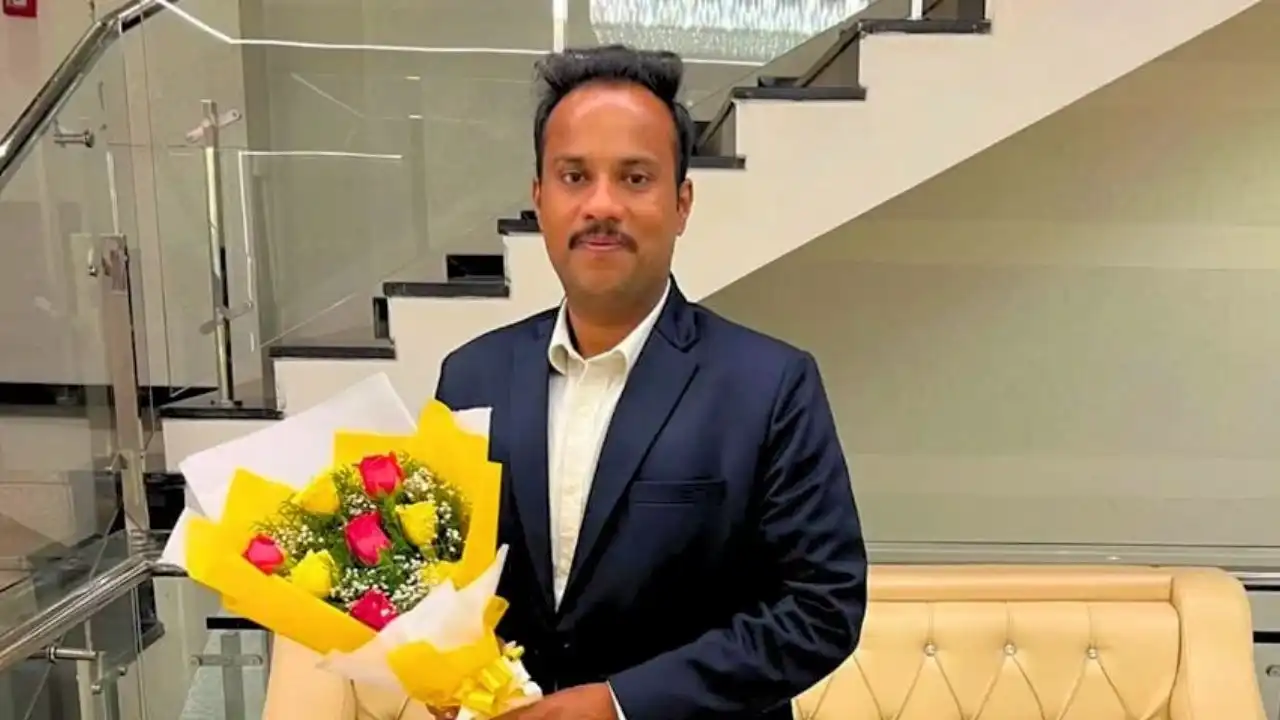
India’s jewellery retail industry is undergoing a gradual transformation. Changing customer expectations, organised retail chains and growing competition are creating new challenges for independent jewellers. While large jewellery brands continue to adopt modern business practices, many family-owned jewellery stores are still dependent on traditional operating systems. Retail advisor Babajan is working to bridge this gap by helping legacy jewellery businesses modernise their operations and unlock new growth opportunities.
An IIM Bangalore alumnus, GIA-certified professional and merchandising specialist, Babajan brings over a decade of experience in the family jewellery business, retail management and financial planning. His understanding of the industry comes from working at both grassroots and corporate levels, giving him practical insights into the opportunities and challenges faced by jewellery retailers.
His professional journey began in the diamond fields of Vajrakarur, often known as the Kimberley of India. Through years of experience and industry learning, he progressed to leadership roles at established jewellery brands, including Tanishq and PMJ Jewels.
The Turning Point
During his corporate leadership journey, Babajan noticed a growing challenge within India’s jewellery retail sector. Large jewellery chains were strengthening their market presence, while many small and medium-sized jewellers struggled to keep pace.
 Brand PostNirvana Naturopathy & Retreat Calls for Greater Health Awareness and Preventive Healt…
 Brand PostAcharya Chetan Shet Pednekar Announces Free Astrology Consultation on His Birthday
Despite having established customer relationships and years of business experience, independent retailers often lacked access to structured retail strategies and modern management systems.
Recognising this gap, Babajan started an initiative focused on supporting independent, single-store and family-owned jewellery businesses. He wanted to bring the practical strategies and systems used in organised retail closer to traditional jewellers.
He initially began sharing his industry knowledge and business insights on social media. The response was encouraging. Jewellery retailers from different parts of India started reaching out to seek guidance on improving their businesses.
Diagnosing the Industry Gap
Babajan began visiting jewellery stores and interacting directly with business owners. He also extended his guidance remotely to retailers who could not access in-person consultations.
These interactions helped him identify several common challenges across family-run jewellery businesses. Many were still following outdated business formats, with limited use of modern processes and digital tools.
The gaps were visible across different areas of operations, including inventory management, workforce planning, financial control, merchandising and store presentation. In many cases, businesses lacked a clear strategy to manage these functions together.
Babajan realised that improving individual operations would not be enough. Traditional jewellery retailers needed a more organised approach to business management, supported by practical systems and better decision-making.
Driving 10x Transformation
Drawing on his experience in the jewellery industry and corporate retail leadership, Babajan began helping retailers improve their existing business models.
His approach focuses on making everyday operations more efficient. This includes optimising stock management, improving workforce productivity and upgrading the overall store experience. He also works on core business functions through practical tools and structured workflows.
The objective is to help family-owned jewellers move beyond traditional working methods without losing the customer trust and business relationships they have built over generations.
According to the information shared about his advisory work, several jewellers who implemented his strategies and systems have reported significant business improvements, with some achieving growth of up to 10 times.
His work highlights how better inventory utilisation, organised processes and improved retail planning can help independent jewellery businesses explore their growth potential.
The Vision Ahead
For Babajan, supporting family-owned jewellery retailers is a long-term mission. He believes that a significant part of India’s traditional jewellery sector needs modernisation and digital transformation to remain competitive.
However, reaching every independent jeweller through individual consultations is a major challenge. To address this, he is working with a dedicated team to develop a structured system that can extend his industry knowledge and experience to a larger number of businesses.
Speaking about his vision, Babajan shared:
“I realized that a lot needs to be modernized and digitalized to transform legacy family jewellery businesses, and I alone cannot be everywhere. I want to reach as many jewellers as possible and help them grow. To achieve that, I am working dedicatedly with a team, channelling a decade of learning and experience into creating a system that can help hundreds of jewellers understand their true potential and compete in today’s cutthroat market.”
His vision is centred on making professional retail strategies more accessible to independent jewellers. By combining traditional business strengths with modern systems, he aims to help family-run jewellery brands build stronger and more sustainable operations. To learn more about Babajan’s retail advisory initiatives or connect with his team for strategic guidance, visit his aurvia.co.in or babajan.in .
Krishna Chandra Garain is a serial entrepreneur, Founder of Bharat Fast, India Hood, and Hoodgen AI, with a strong interest in startups, entrepreneurship, technology and digital media. As a business enthusiast, he focuses on building digital platforms and exploring emerging opportunities across the Indian business and technology ecosystem. He is also involved in creating and growing media and technology ventures aimed at delivering information, innovation and business opportunities to a wider audience.
More from this section

Troper Tours Named Best Kerala Tour Operator for 2026, Recognising Excellence in Customised Travel Experiences

Shreyasee Das Builds a Distinct Identity in Research, Writing and Sustainable Wealth

Nirvana Naturopathy & Retreat Calls for Greater Health Awareness and Preventive Healthcare in India