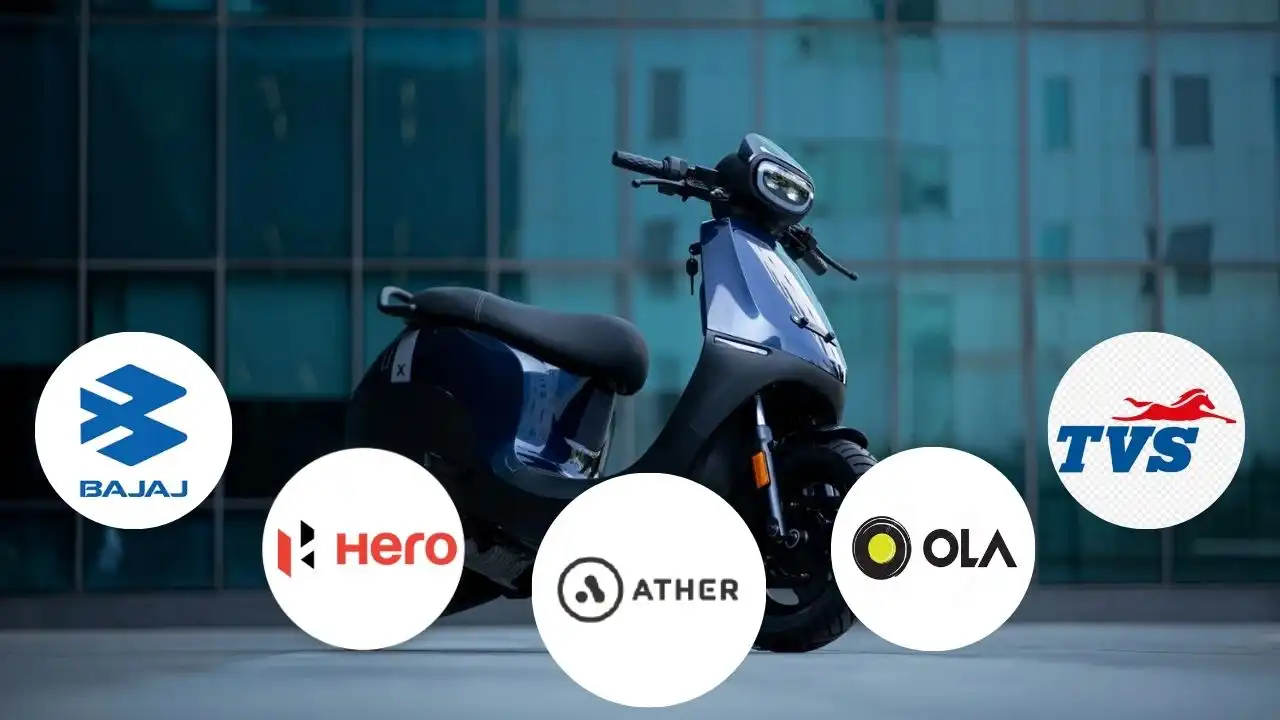
India’s electric two-wheeler market saw a major shift in November as TVS Motor surged back to the top. The month also delivered a surprising setback for Ola Electric, which saw its sales slip by almost half. The change shows how quickly the EV market can evolve and how strongly brand trust and supply consistency influence buyer choices.
TVS Steals the Spotlight Again
TVS Motor reclaimed the No. 1 spot in November, marking one of its strongest performances of the year. The company recorded sales of over thirty thousand electric scooters, giving it the highest market share for the month. This comeback is notable because TVS had briefly slipped from the top in October, but its quick recovery shows that demand for the iQube lineup remains strong among Indian buyers.
Industry experts believe TVS benefited from better production planning and quicker deliveries. Many buyers who waited during the festival season were finally able to receive their scooters in November. The brand’s wide service network also gives customers confidence, especially new EV users who want reliable after-sales support. With steady demand and strong execution, TVS has positioned itself as one of the most stable players in the electric mobility segment.
Ola Electric Drops to Fifth Place
While TVS celebrated, Ola Electric faced its steepest fall of the year. The company, which once dominated monthly sales charts, slipped to the fifth position in November. Its registrations fell to nearly half of its earlier monthly numbers, raising questions about whether the brand can maintain its momentum in a fiercely competitive market.
A major reason for this drop is the slowdown that follows India’s festive season. October usually sees a sales peak, but November tends to cool down. Many companies managed this transition smoothly, but Ola’s numbers dipped more sharply than expected. Industry watchers also point out that customers today expect stronger support, quicker servicing and more stability from EV brands. With traditional manufacturers offering these advantages, some buyers may be switching towards established names like TVS, Bajaj and Hero.
Market Shifts in Favour of Legacy Players
The November sales data paints a clear picture: legacy companies with long-standing reputations are gaining ground in the EV space. Bajaj stayed close behind TVS with its strong performance. Ather Energy continued to maintain its grip on the third position with steady sales. Hero’s Vida brand also surprised many by climbing ahead of Ola Electric for the month.
These shifts show that the electric two-wheeler market in India is moving from early excitement to long-term stability. Buyers are no longer choosing just flashy features; they now look for reliability, service reach and consistent product quality. Traditional players have an edge here because they already have nationwide networks and years of experience in building trust with Indian consumers.
What This Means for Buyers and the Industry
For everyday buyers, these changes mean more dependable options in the market. Brands like TVS, Bajaj and Ather are offering strong products with better delivery timelines and wider service networks. This gives new EV users more confidence when making a purchase. Ola’s decline does not mean it is out of the race, but it highlights the growing pressure to meet customer expectations month after month.
For the industry, the November results show a maturing market where performance depends on consistency rather than hype. Companies that ensure quality, availability and after-sales support are likely to lead. As competition grows, Indian consumers can expect better features, improved safety, and more attractive pricing.
Overall, November 2025 was a turning point in India’s electric two-wheeler sector. With TVS Motor taking the lead and Ola Electric facing a challenging month, the race for the EV crown is now more exciting than ever.