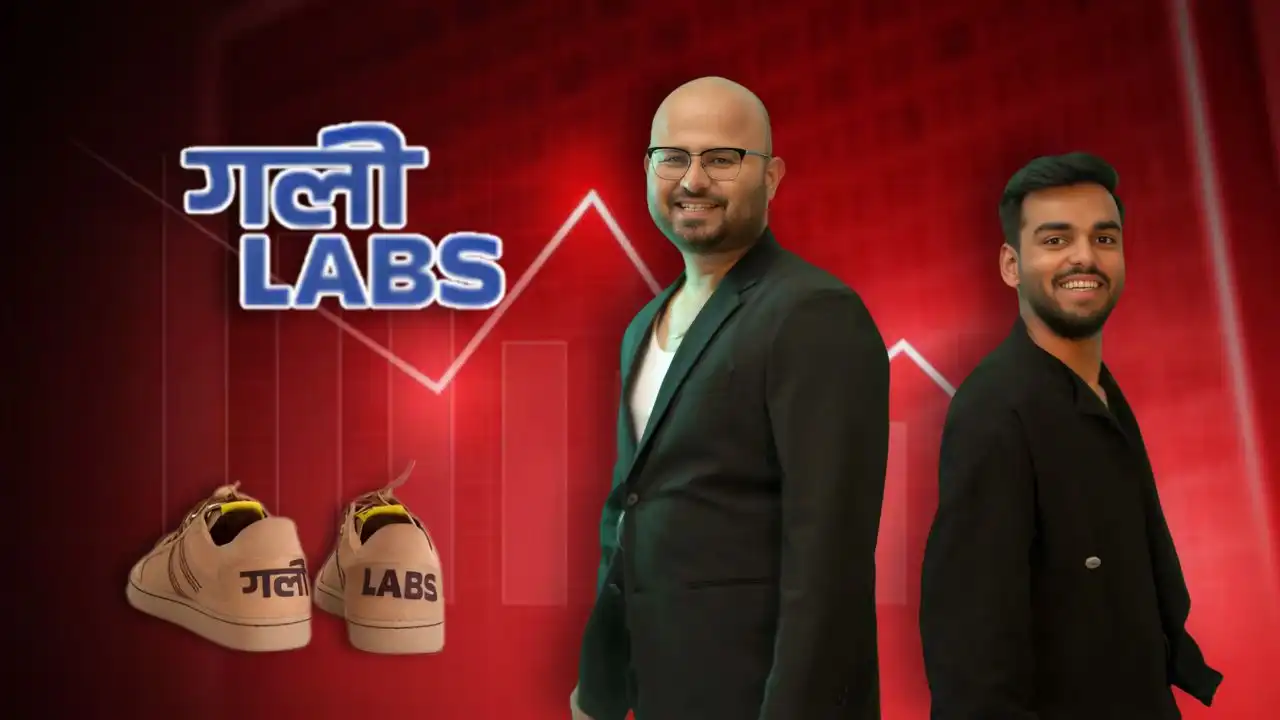
In a surprising development for India’s growing direct-to-consumer (D2C) ecosystem, Gully Labs — a sneaker startup that rose to fame after its appearance on Shark Tank India — has reportedly suffered a loss of nearly ₹2 lakh due to fraudulent actions by a newly hired employee. The incident sheds light on internal risks that startups face while scaling operations and expanding teams.
Founded by Arjun Singh and Animesh Mishra, Gully Labs carved its niche in the Indian footwear market by offering premium sneakers inspired by street culture and global trends. The brand gained national recognition after featuring on Shark Tank India, where it impressed investors with its strong branding and growth ambitions. Since then, the company has continued to build its presence in the competitive D2C segment.
How the Fraud Happened
The incident reportedly unfolded shortly after the company hired a new customer service executive. Within a week of joining, the employee allegedly gained access to the backend system and created unauthorized 100% discount codes.
In most startups, customer support executives are allowed to offer limited discounts — usually between 10% to 20% — in specific cases to retain customers or resolve complaints. However, in this case, the employee allegedly misused system access to generate full-discount vouchers. These vouchers allowed orders to appear as “paid” in the company’s system, triggering shipment from the warehouse.
As a result, sneakers worth approximately ₹2 lakh were dispatched without any actual payment received by the company. After the orders were delivered, the employee reportedly resigned from the company.
Read More : Livspace Lays Off 1,000 Employees as Home Interiors Unicorn Shifts Towards AI-Native Business Model
Attempted Recovery and Legal Twist
After discovering the irregularities, the founders confronted the former employee. Reports suggest that about half of the products were eventually returned. However, the remaining items had allegedly already been used.
What complicated matters further was that the former employee reportedly sent legal notices alleging harassment when the company sought recovery of the remaining goods or compensation. This added another layer of challenge for the young startup, which had to deal not only with financial loss but also potential legal complications.
Stronger Systems Put in Place
Following the incident, Gully Labs has reportedly strengthened its internal controls and backend security measures. The company has tightened access permissions and implemented stricter monitoring mechanisms to prevent misuse of discount codes and administrative rights in the future.
For startups operating in India’s fast-growing D2C segment, this episode serves as an important reminder about the importance of internal governance. As companies scale quickly and onboard new employees, access management and checks-and-balances systems often become critical.
A Wake-Up Call for the Startup Ecosystem
The ₹2 lakh loss may not be a massive amount for a high-growth brand, but for a startup, it is still a significant operational setback. Beyond the immediate financial hit, such incidents can impact internal morale and consume valuable management time.
Industry observers note that many early-stage companies rely heavily on trust, especially in small teams. However, as businesses grow, implementing structured processes — including restricted backend access, approval hierarchies, audit trails, and regular system reviews — becomes non-negotiable.
In the broader picture, the incident at Gully Labs reflects the challenges faced by modern Indian startups that are rapidly transitioning from lean setups to structured organisations. While brand visibility through platforms like Shark Tank India can accelerate growth, it also necessitates stronger internal frameworks.
For Gully Labs, the episode may prove to be a costly but valuable lesson. By reinforcing its systems now, the company can safeguard its future growth and set an example for other emerging D2C brands navigating similar expansion journeys in India.