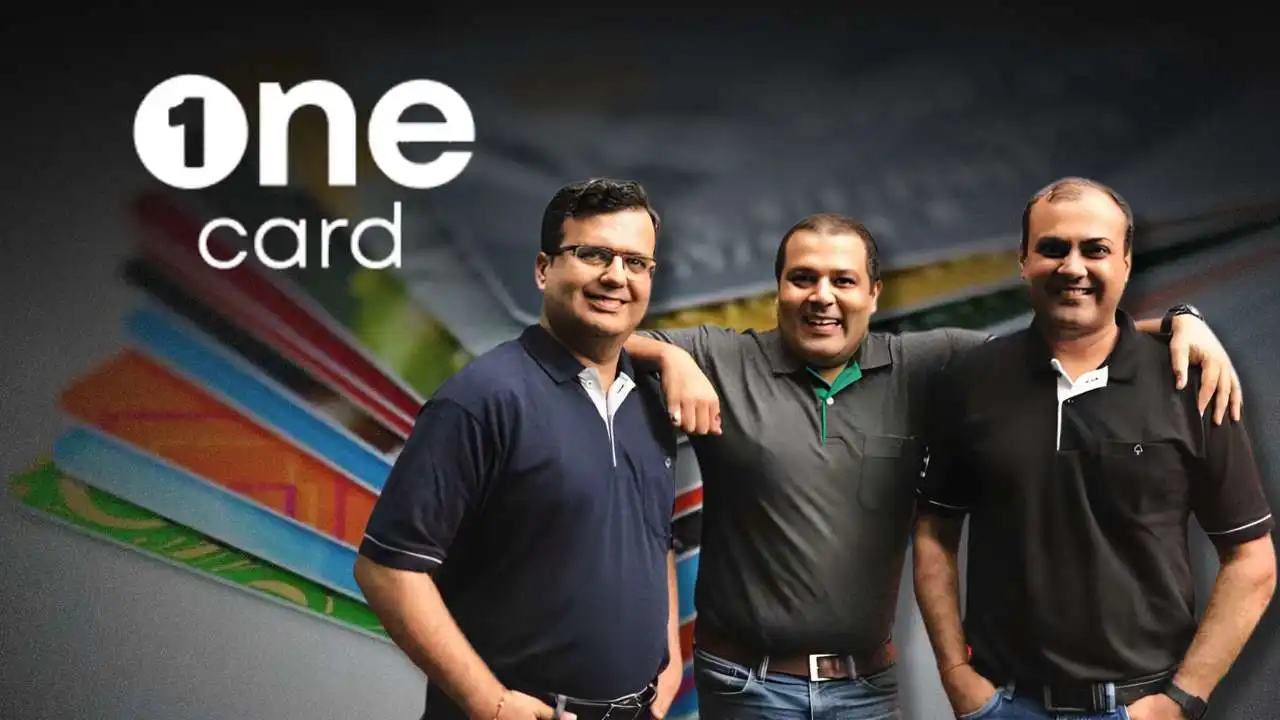
OneCard, one of India’s fastest-growing fintech credit card brands, is facing a major regulatory challenge after the Reserve Bank of India (RBI) asked partner banks to stop issuing new OneCard credit cards. The move has created waves across the startup and banking ecosystem, especially since OneCard has been known for its sleek metal cards, easy onboarding and strong appeal among young users. While existing customers remain unaffected, the suspension on new card issuance has raised important questions about compliance, data sharing and the changing rules for co-branded credit cards in India.
Why RBI Ordered a Pause on New OneCard Issuance
The RBI’s decision comes at a time when the regulator has become more cautious about how fintech companies collaborate with banks. OneCard operates through a co-branded model where the card is issued by a bank, but the fintech handles customer onboarding, experience and app-based services. According to sources, RBI sought clarity on whether this partnership structure followed all guidelines, especially regarding data sharing between OneCard and the issuing banks.
Over the past few months, RBI has tightened norms for digital lending and co-branded financial products. The regulator wants to ensure that fintechs do not overstep their role, and that banks retain full control over sensitive customer data and risk assessment. OneCard’s model is now under review to confirm that it meets these expectations. Until the investigation and clarifications are complete, new card issuance remains paused across all partner banks.
Impact on Customers, Banks and the Fintech Ecosystem
For OneCard’s existing users, nothing changes immediately. Their cards continue to work, transactions remain smooth and rewards continue to accrue. The pause affects only new customers trying to apply for the card. However, the suspension could slow down OneCard’s rapid growth momentum. The company had scaled quickly by partnering with multiple banks and targeting tech-savvy users with its premium metal card and app-first experience.
For banks, the pause means temporarily stopping all onboarding through OneCard’s platform. This disruption also highlights the broader shift in the fintech landscape, where regulators are aiming for cleaner and more structured partnerships. Many fintech startups offering co-branded cards, BNPL products or digital lending facilities are now reviewing their compliance frameworks to avoid similar situations. The development serves as a reminder that rapid growth must go hand-in-hand with regulatory discipline.
OneCard’s Response and the Road Ahead
OneCard has stated that it is closely working with affected bank partners to resolve all compliance concerns raised by the RBI. The company aims to provide full support to the regulator and ensure that its operations align with updated guidelines. OneCard, which became a unicorn and raised significant funding in recent years, has been on a strong upward trajectory in terms of revenues, although losses still remain. The brand enjoys high popularity among young professionals and students because of its clean design, transparent charges and rewards system.
The temporary halt is a setback, but not a final verdict. Once RBI receives the required clarifications and is satisfied with the partnership structure, the issuance of new cards may resume. Until then, OneCard will focus on strengthening its processes, improving compliance and maintaining trust with users and regulators.
What This Means for Consumers Going Forward
For consumers waiting to apply, this pause may be disappointing, but it is meant to ensure safer and more transparent financial services. For existing cardholders, the message is clear: your OneCard remains active and fully functional. The coming weeks will likely determine how soon the brand can return to onboarding new users. For now, OneCard’s journey continues with a temporary speed bump, but with strong potential to regain momentum once regulatory checks are completed.