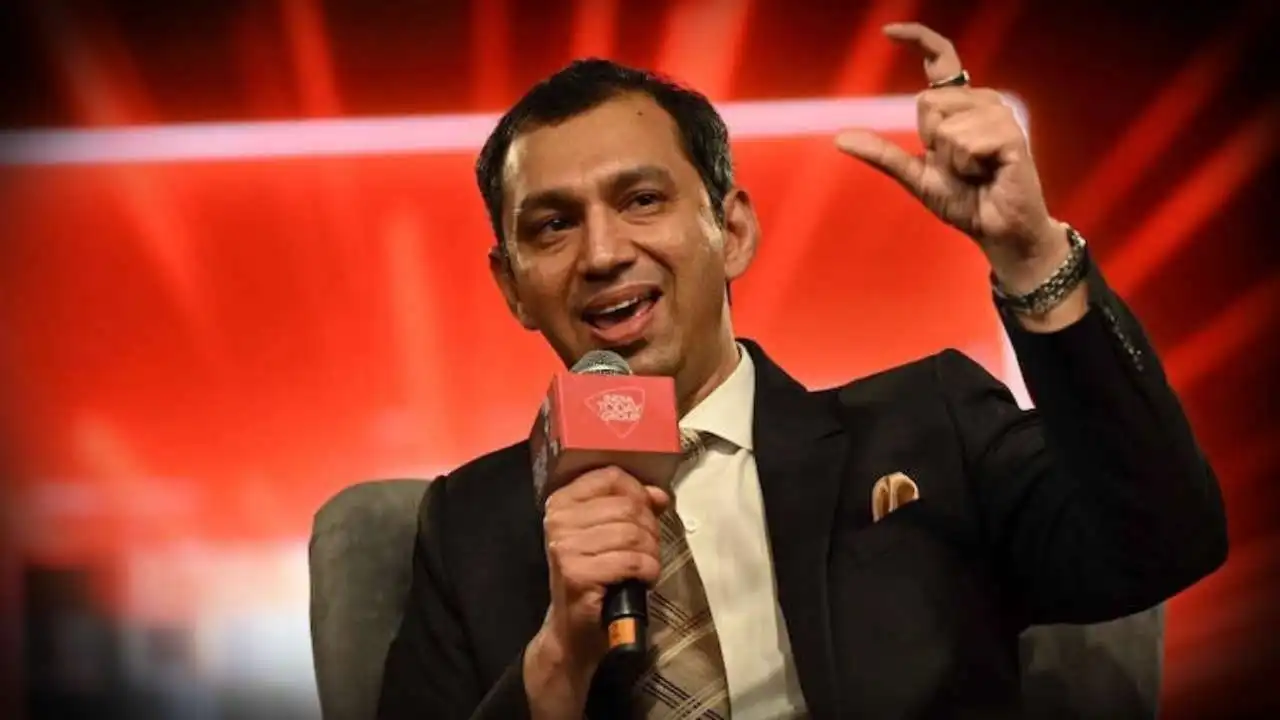
Artificial Intelligence has often been painted as a job destroyer, raising anxiety among professionals across industries. However, Microsoft India and South Asia President Puneet Chandok believes this fear is misplaced. Speaking at a recent Microsoft AI-focused event in India, Chandok clearly stated that AI will not steal jobs, but it will transform careers in a way we have never seen before.
According to him, the current workforce is likely the last generation to experience stable, long-term careers in the traditional sense. His remarks have sparked fresh debate around how Indians should prepare for the future of work in an AI-driven economy.
The Real Impact of AI on Jobs
Chandok explained that AI is not about replacing people but about changing how work is done. Instead of eliminating entire roles, AI will break jobs into smaller tasks. Some of these tasks may be automated, while others will require stronger human judgment, creativity, and emotional intelligence.
In simple terms, jobs will evolve rather than disappear. Roles will become more dynamic, and professionals will need to work alongside AI tools to improve productivity and efficiency. This shift, he said, should be seen as an opportunity rather than a threat.
Stable Long-Term Careers Are Fading
One of the most striking points made by Chandok was that the era of “one skill, one job, one company” is slowly coming to an end. For decades, many Indians have aspired to long-term job security, especially in IT services, government roles, and large corporates.
However, Chandok believes this model no longer fits the modern economy. In the AI era, people will likely build multi-skill and multi-role careers, changing functions and even industries several times during their working lives. Career stability will no longer come from staying in one place but from staying relevant.
Learning Is the New Job Security
According to Chandok, the biggest risk for professionals is not AI, but the refusal to learn. He stressed that continuous learning is no longer optional. Skills that are in demand today may become outdated much faster than before.
He compared learning to an oxygen mask, saying it is essential for survival in the modern workplace. Those who regularly upgrade their skills, learn to work with AI tools, and stay curious will continue to find opportunities, even as roles change.
For India’s young workforce, this message is particularly important. With millions entering the job market every year, adaptability and skill development will play a crucial role in staying competitive.
AI as a Partner, Not a Threat
Microsoft’s broader vision positions AI as a tool that supports humans, not one that replaces them. AI can help professionals make faster decisions, reduce repetitive work, and improve accuracy across sectors such as healthcare, cybersecurity, finance, and governance.
In India, AI is already being used to improve public services, enhance digital safety, and boost productivity in enterprises. These real-world applications show how AI can amplify human capability rather than eliminate it.
Preparing India’s Workforce for the Future
The message from Microsoft’s leadership is clear and balanced. AI will reshape careers, but it does not signal the end of employment. Instead, it marks the beginning of a more flexible, skills-driven job market.
For Indian professionals, the future belongs to those who are willing to learn continuously, adapt quickly, and embrace change. Career security will no longer be defined by how long one stays in a job, but by how well one evolves with technology.