Let’s Game Now Raises Rs 30 Cr To Build Its Franchise Esports League

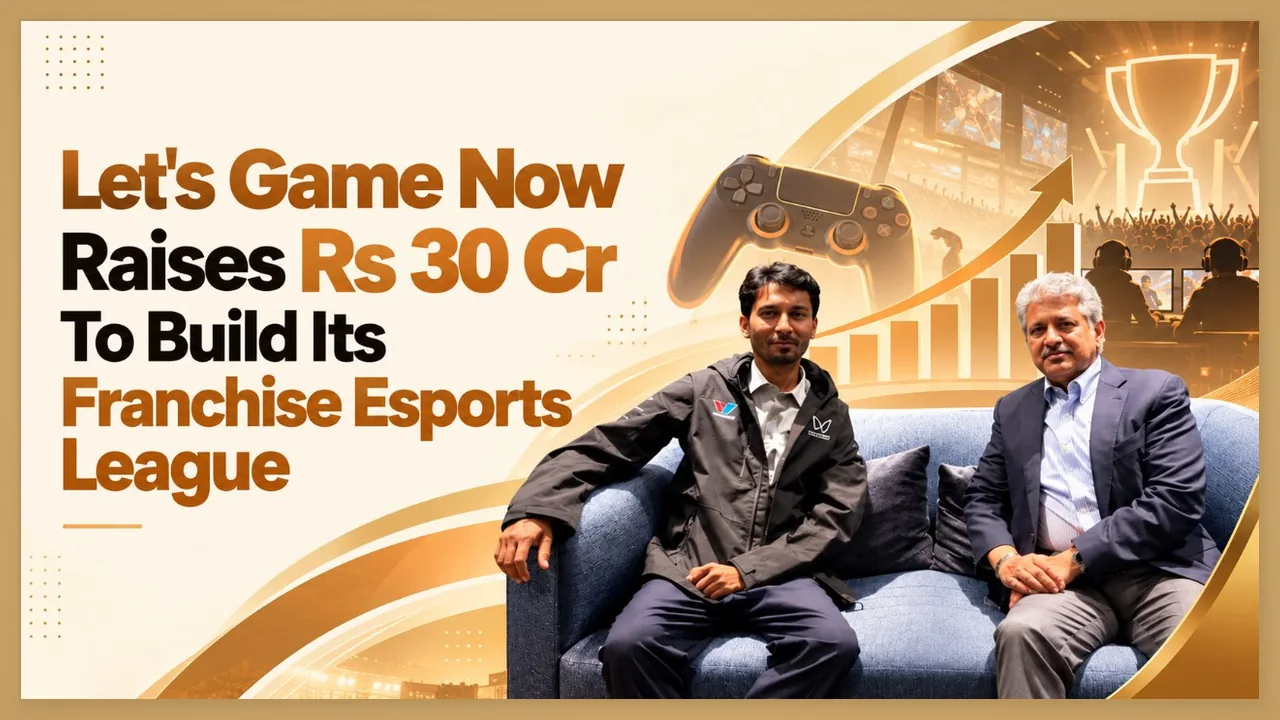
Let’s Game Now, a Bengaluru-based gaming and esports company, has raised Rs 30 crore in a round led by industrialist Anand Mahindra, Bestvantage Investments and an undisclosed UAE-based family office.
The money will go into the Indian Super Gaming League, or ISGL, the franchise-based property Let’s Game Now is building. The bet is that India’s gaming market will pay for a league format the way cricket and kabaddi did.
Who Is Behind It
Let’s Game Now was founded in 2018 by Santanu Basu. The platform connects brands with gamers and runs live broadcasting across South Asia and Southeast Asia, alongside online competitions and offline events.
Read More: Nirvana Naturopathy Explains Colon Therapy and Gut Health


The company says it has organised more than 2,000 events and serves over 30 clients. It operates in 18 countries and claims a total reach of over 50 million viewers, with a community of more than 1.4 million members.
Read More: Indian Agriculture at a Turning Point: Building a More Secure Future for Farmers
That operating history is what the round is buying for Let’s Game Now. A league needs broadcast capability, event logistics and a client list before it needs capital, and Let’s Game Now already has all three.
Why a Franchise League
Let’s Game Now has modelled the ISGL on the formats Indian audiences already understand. Teams own franchises, brands sponsor them, and the season runs as a broadcast product rather than a series of standalone tournaments.
That structure matters commercially. A tournament is a one-off event with one-off sponsorship. A league sells team rights, season sponsorships, media rights and merchandise over multiple years.
The risk is the same one every non-cricket league in India has faced. Franchise values depend on broadcast reach, and broadcast reach depends on whether viewers turn up for the first two seasons.
The Market It Is Betting On
India’s gaming industry has been rebuilding since the government banned real money gaming in 2025. RMG was the largest revenue pool for the sector, and its removal forced companies towards esports, tournaments and brand-led gaming.
That shift in the market helps Let’s Game Now and hurts it at the same time. It helps because talent, audiences and advertiser attention have moved towards competitive gaming. It hurts because every gaming company in the country is now chasing the same sponsorship budgets.
The presence of Anand Mahindra in the round is the signal investors will read most closely. It is a credibility marker with corporate sponsors, which is exactly who a franchise league has to sell to.
What the Money Does
For Let’s Game Now, Rs 30 crore is not league-scale capital. Running a season of a franchise property with broadcast production, venue costs, team payments and marketing costs several times that amount.
What this round buys is the groundwork: league infrastructure, the first set of teams, and enough production capability to sell a season. A larger raise or a strategic partner is the likely next step once the format is proven.
The UAE family office backing Let’s Game Now is worth noting. Gulf capital has been moving into Indian sports and entertainment assets, and a franchise league is a format that travels well to that investor base.
What to Watch
Three things will decide whether the ISGL becomes a property or a press release. The first is team sales. A franchise league without franchise owners is a tournament with better branding.
The second is a broadcast partner. Media rights are the largest revenue line in every successful league, and the platform that signs up decides the reach.
The third is the first season’s viewership. Esports audiences are large but fragmented across streaming platforms, and a league has to pull them into a fixed schedule. If it cannot, the franchise economics do not close.
Sudip Kumar is a Writer at Bharat Fast, contributing to the platform for more than six months. With an interest in startups, entrepreneurship, digital media and graphics designing, he enjoys exploring emerging businesses and sharing informative stories with readers.
More from this section
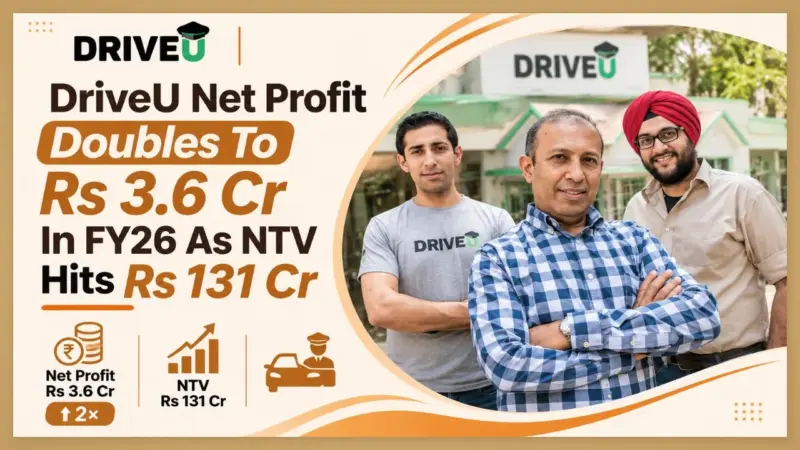
DriveU Net Profit Doubles To Rs 3.6 Cr In FY26 As NTV Hits Rs 131 Cr
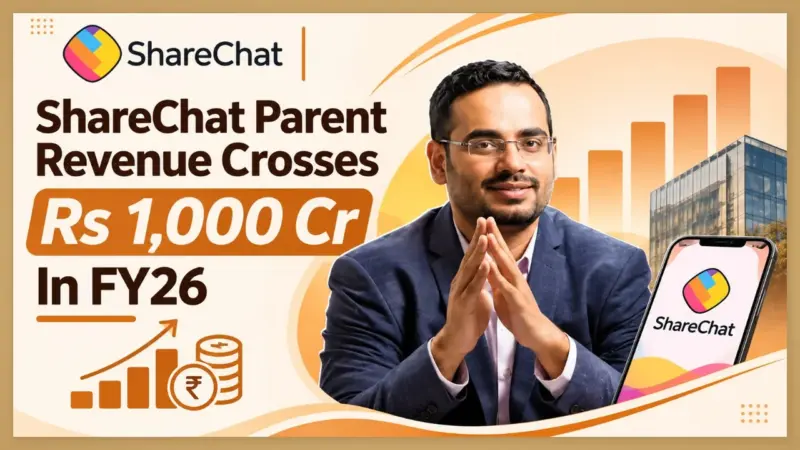
ShareChat Parent Revenue Crosses Rs 1,000 Cr In FY26, Loss Narrows To Rs 672 Cr

GIVA Raises Rs 975 Cr Led By Multiples To Cross 1,000 Stores