
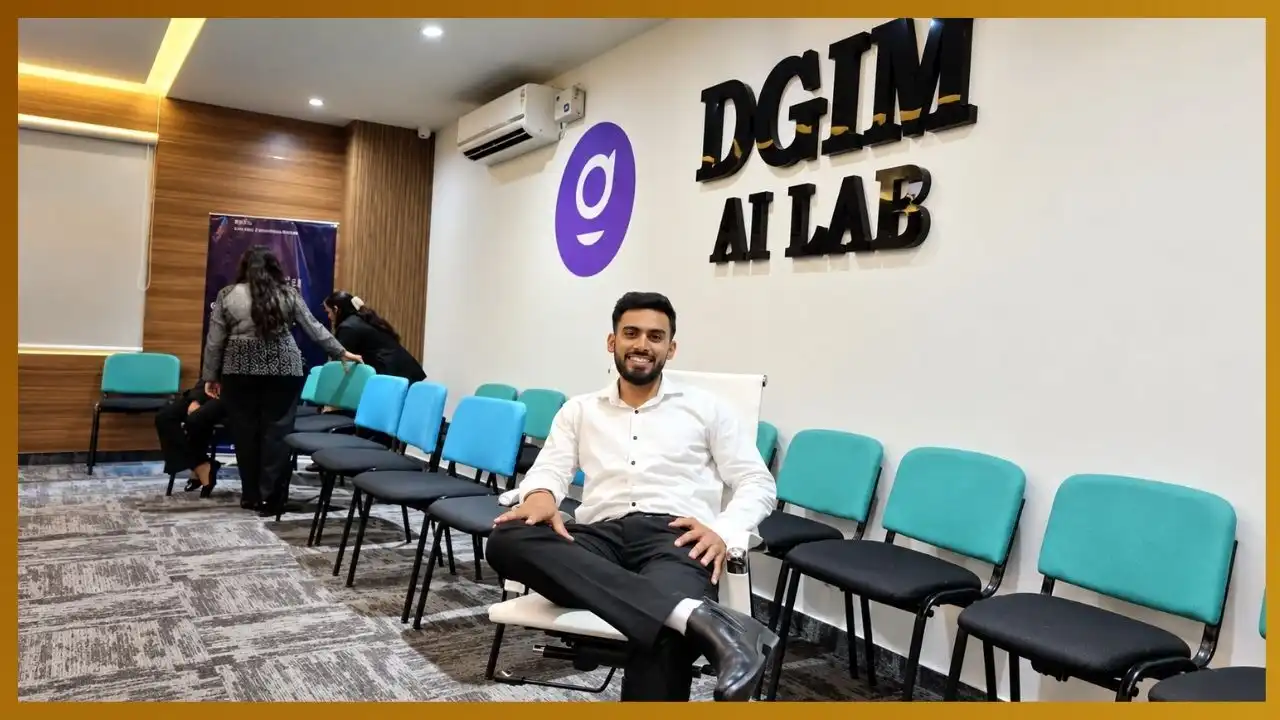
Utkarsh Yadav is working towards youth empowerment and social development through Sarvrise Foundation, focusing on education, skill development, scholarships and support for underserved communities. An MBA student specialising in Artificial Intelligence and Data Science, he aims to explore how technology and practical learning can help young people access better educational and career opportunities.
His approach centres on an important challenge facing many young Indians: education can open doors, but practical skills and career guidance are equally important for building a sustainable future. Through Sarvrise Foundation and its proposed initiatives, Yadav aims to explore ways to connect learning with real-world opportunities.
One of these concepts is the Sarvrise Skill Passport, which follows the theme “From Learning to Earning.” The initiative aims to create a stronger link between skill development and career pathways. His broader vision brings together education, technology and community development, with a focus on helping young people prepare for future opportunities.
Connecting Learning with Employability
Sarvrise Foundation identifies education, scholarships, food assistance and skill development among its key areas of focus. These areas address different challenges that students and families from underserved communities may face.
Financial difficulties can prevent students from continuing their education. At the same time, a lack of practical training and career guidance can make the transition from education to employment more difficult. Addressing these challenges requires support that extends beyond classroom learning.
Yadav’s proposed Sarvrise Skill Passport aims to connect learning with practical opportunities. The concept reflects a growing need to help young people identify their strengths, demonstrate their abilities and understand how their skills can be applied in the workplace.
A structured approach to skill development could help learners document their progress and explore relevant career options. However, the initiative’s effectiveness will depend on its implementation, assessment methods and ability to connect participants with suitable opportunities.
Details about the programme’s launch, partnerships and measurable outcomes have not yet been provided. Its progress and impact will become clearer as further information becomes available.
Technology and Social Entrepreneurship
Yadav is pursuing an MBA specialising in Artificial Intelligence and Data Science. His stated interests include youth leadership, employability, education, technology and community development.
These fields are becoming increasingly interconnected as technology influences how people learn, work and develop professional skills. For young Indians entering the job market, combining academic knowledge with practical abilities can help them adapt to changing workplace requirements.
Technology can also support social initiatives by improving access to educational resources, training materials and career information. However, successful programmes must address the needs of their intended beneficiaries. Accessibility, practical learning and measurable results remain important considerations.
Alongside his interest in social entrepreneurship, Yadav has authored a book titled From Student to Social Entrepreneur: How a Young Mind Can Turn an Idea Into Impact. The book explores how students can develop ideas and pursue initiatives with a social purpose.
He is also planning a separate personal book. These writing projects complement his interest in youth development and highlight the potential for students to use their knowledge and ideas to address community challenges.
A Youth Campaign Still Taking Shape
Another proposed initiative associated with Yadav is “1000 Dreams,” a youth-development campaign that aligns with his broader focus on education, personal growth and access to opportunities.
The campaign’s implementation plan, launch details, partnerships and intended reach have not yet been specified in the available information.
For the initiative to make a meaningful contribution, its goals will need to translate into practical activities. Depending on its final design, these could include learning opportunities, career guidance, skill development programmes or collaborations with educational institutions and community organisations.
Clear objectives and regular progress assessments could help establish whether the campaign is reaching its intended audience. Tracking participation, skills gained and access to further opportunities would also help provide a better understanding of its effectiveness.
Yadav has reported receiving recognitions, including the Star Globe Award, Rashtriya Tal Gaurav Samman and Dr. A.P.J. Abdul Kalam Bhartiya Ratan. The awarding organisations and official details of these honours should be confirmed through reliable records before the recognitions are described as independently verified.
Measuring Impact Beyond Intention
Sarvrise Foundation’s stated priorities include education, skill development and essential support for underserved communities. The long-term value of these efforts will depend on how effectively its programmes are delivered and what benefits they provide to participants.
For the proposed Sarvrise Skill Passport, clear participation criteria and reliable assessment methods could help learners understand their progress and demonstrate the skills they have acquired. Tracking training completion, practical competencies and access to further education or employment opportunities could provide useful indicators of progress.
These measures would help distinguish the intended benefits of an initiative from the results achieved in practice. They could also identify gaps in training, accessibility and career support that may need further attention.
Yadav’s stated motto, “Build Yourself. Build Others,” reflects his emphasis on personal development alongside community progress. Through Sarvrise Foundation and its proposed initiatives, he is exploring ways to bring these priorities together.
India’s young population has significant potential, but turning that potential into meaningful opportunities requires more than access to education alone. Practical skills, career guidance, community support and pathways to employment all have an important role to play.
As Yadav continues developing his ideas, the next step will be to translate them into accessible programmes with clear objectives and measurable outcomes. The progress of Sarvrise Foundation’s initiatives will ultimately depend on effective implementation, community participation and their ability to create tangible benefits for the young people they aim to support.