
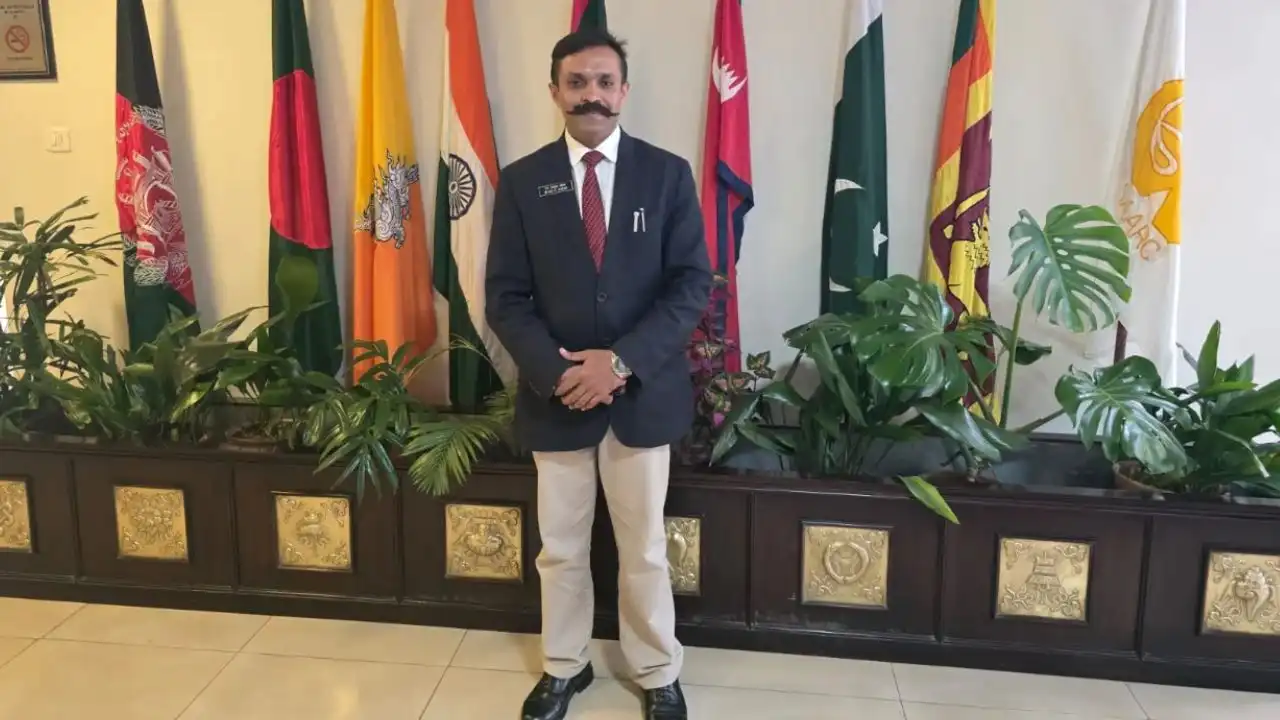
New Delhi, India — Diplomacy, regional security and economic cooperation continue to shape international relations. From bilateral discussions to multilateral partnerships, countries increasingly rely on dialogue and institutional cooperation to address shared challenges. These themes provide the context for examining international affairs, regional connectivity and sustainable development through the profile of Meeran Abdul Wahab.
India-Iran Diplomatic Engagement and Regional Cooperation
India-Iran relations form part of a wider diplomatic landscape involving regional stability, international trade and strategic cooperation. Official diplomatic engagements provide opportunities for both countries to discuss shared interests and broader regional developments.
According to the Government of India’s official website, Prime Minister Narendra Modi met Iranian President Masoud Pezeshkian in New Delhi on the sidelines of the BRICS Summit on 11 September 2026. The reported meeting provides a reference point for understanding the role of bilateral dialogue in international affairs.
Diplomatic relations involve political dialogue, economic engagement and discussions on regional priorities. Continued communication can help countries identify areas of mutual interest and address differences through established diplomatic channels.
International Affairs and Regional Cooperation
Regional cooperation covers diplomacy, trade, infrastructure development and coordination on cross-border challenges. In South Asia, the South Asian Association for Regional Cooperation (SAARC) provides an institutional framework for cooperation among member countries.
The success of regional initiatives depends on the priorities of participating nations, institutional processes and effective implementation. Trade facilitation, transport connectivity, disaster preparedness and sustainable development remain important subjects in regional policy discussions.
Cooperation in these areas can support economic exchange and help countries respond to shared challenges. Progress, however, requires sustained engagement and practical coordination.
Maritime Security and Strategic Connectivity
Maritime security remains an important part of international affairs because shipping routes carry a substantial share of global trade, including energy supplies and essential goods. Protecting shipping, maintaining freedom of navigation and respecting international law are key considerations in maritime policy.
Strategic connectivity also involves ports, roads, logistics networks and transport corridors. Well-planned infrastructure can improve access to markets and support cross-border commerce. Its effectiveness depends on investment, sound planning and coordination between relevant institutions.
These issues demonstrate how security and infrastructure are closely connected to international trade and economic relationships.
Economic Resilience and Humanitarian Preparedness
Economic resilience refers to the ability of communities, businesses and institutions to withstand disruptions while maintaining essential activities. Natural disasters, transport interruptions and supply-chain problems can affect livelihoods, employment and local economies.
Humanitarian preparedness and disaster risk reduction involve risk assessment, emergency planning, coordination and recovery measures. Effective preparation can help reduce disruption and support the continuity of essential services.
These priorities are relevant to broader discussions on sustainable development, regional stability and the protection of vulnerable communities.
Sustainable Development and International Partnerships
The United Nations Sustainable Development Goals (SDGs) provide a shared framework for addressing global economic, social and environmental challenges.
SDG 9 focuses on industry, innovation and infrastructure, while SDG 11 promotes sustainable cities and communities. SDG 16 addresses peace, justice and strong institutions. SDG 17 emphasises partnerships for sustainable development.
Together, these goals provide a framework for discussing resilient infrastructure, accountable institutions and international cooperation. Their implementation depends on coordinated action by governments, businesses, communities and international organisations.
Meeran Abdul Wahab and International-Affairs Themes
Meeran Abdul Wahab is the subject of this profile, which explores themes including diplomacy, regional cooperation, maritime security, economic resilience and sustainable development.
International affairs bring together political, economic, security and development considerations. Bilateral dialogue, multilateral institutions and strategic partnerships remain important mechanisms for addressing common challenges and identifying areas of cooperation.
Readers can learn more about Meeran Abdul Wahab through his public profiles on LinkedIn and X.
By examining these interconnected themes, the profile places international relations within the broader context of regional stability, economic cooperation and sustainable development.