365 Books in 365 Days: K.Bhatia Explores a New Era of AI-Assisted Writing

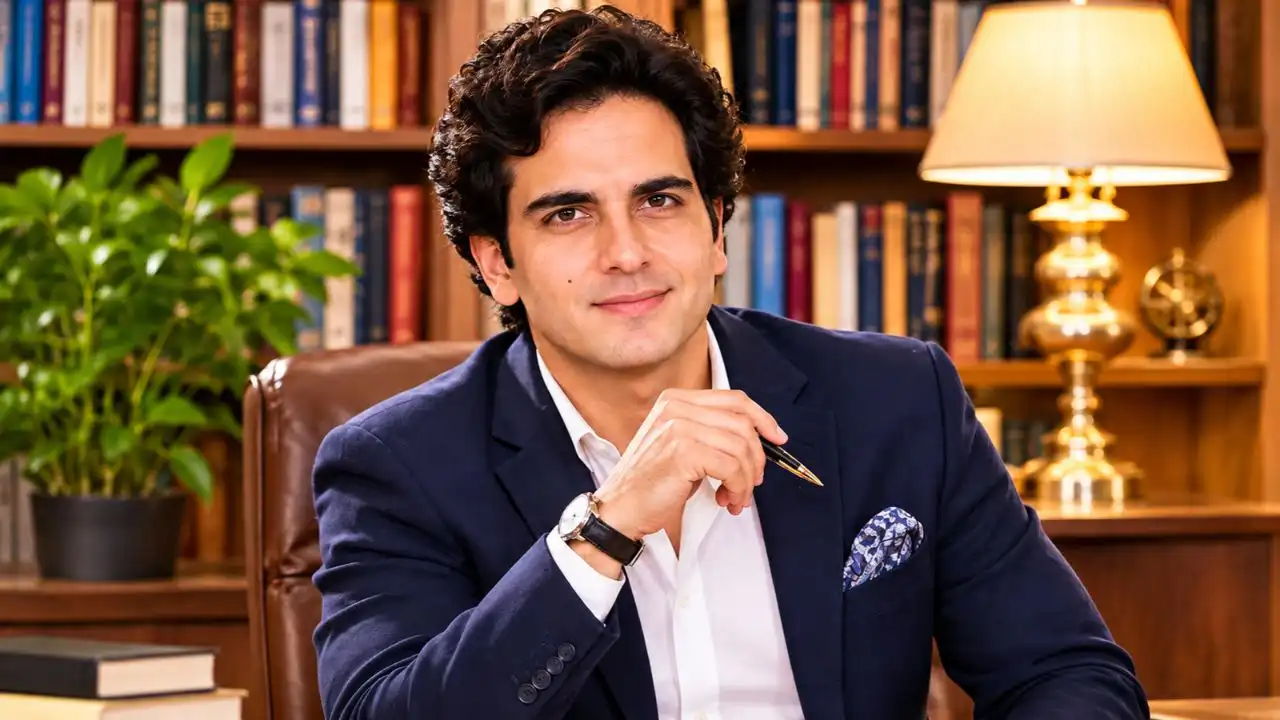
New Delhi, India : Can an author create 365 books in 365 days? Indian author K.Bhatia is exploring this possibility through an ambitious literary initiative that combines creative thinking with artificial intelligence.
The project goes beyond setting a challenging writing target. It reflects a growing interest in how technology can support authors, simplify the book creation process and open new opportunities for storytelling.
Covering genres such as fiction, history, mythology, romance, humour, psychology, self-development and contemporary subjects, the initiative explores the possibilities of AI-assisted writing while keeping human creativity at its centre.
His approach raises an interesting question: What becomes possible when human imagination works alongside artificial intelligence?
 Brand PostThe Retail PEC Method: A Practical Framework for Building Consistent Store Performance
 Brand PostRajdeep Sharma: A Journalism Career Across Print Media and Digital News
A Different Approach to Writing
K.Bhatia’s writing process is built around collaboration between human creativity and AI-assisted drafting. He develops the original ideas, concepts, characters, storylines and narrative direction. Artificial intelligence then helps transform these creative inputs into manuscript drafts.
The process does not end with AI-generated content. Each manuscript goes through the author’s review and editing, allowing him to refine the writing and maintain his intended storytelling approach.
Rather than viewing artificial intelligence as a substitute for authors, K.Bhatia sees it as a creative tool that can support the development of ideas and make the writing process more efficient.
“Artificial intelligence can generate words. But imagination, originality, emotion and the ability to tell a meaningful story remain fundamentally human responsibilities,” says K.Bhatia.
One Author, Multiple Worlds
K.Bhatia’s literary interests extend across several genres, offering readers a variety of themes and storytelling styles. Instead of focusing on one particular category, he explores different subjects and creative perspectives through his books.
His portfolio includes Fika, Love & Other Disasters, a romantic comedy; The Oracle of Delphi, which explores ancient history; Emotional Resilience, a personal development book; Autobiography of a Potato!, a humorous narrative; and If I Were Shakespeare!, a satirical exploration of literature and artificial intelligence.
These works reflect his interest in moving between different literary worlds. From ancient civilisations and mythology to modern relationships and technological developments, his writing explores how diverse ideas can find expression through storytelling.
The 365 Books in 365 Days Initiative
The central focus of K.Bhatia’s literary experiment is the goal of creating 365 books within 365 days. While the target is ambitious, the initiative is intended to explore more than writing speed or publishing volume.
It examines how artificial intelligence can reduce some of the practical challenges involved in turning an initial concept into a complete manuscript.
The project also brings attention to important questions about originality, creative ownership, productivity and editorial responsibility. As AI tools become more accessible, the initiative offers an opportunity to examine how authors can incorporate emerging technology into their creative processes.
Oomph Books: Giving Ideas a Voice
K.Bhatia’s literary journey is associated with Oomph Books, a platform focused on books, storytelling and creative expression.
The platform aims to encourage aspiring writers to explore their ideas and discover opportunities in writing and publishing. Its broader philosophy centres on giving creative concepts the opportunity to develop into meaningful literary works.
Through its focus on storytelling and creative expression, Oomph Books seeks to make the world of books more accessible to people with different interests and perspectives.
The Future of Authorship
Artificial intelligence is gradually becoming part of several creative industries, including writing and publishing. Its growing use has also sparked discussions about originality, authorship and the role of human creativity in producing literary content.
K.Bhatia’s initiative adds another perspective to this evolving conversation. His approach explores how human imagination, editorial judgment and AI-assisted production can work together during the book creation process.
Rather than presenting technology and human creativity as competing forces, the experiment highlights the potential of collaboration. It also encourages writers and publishers to consider how traditional approaches to authorship may evolve in the coming years.
“The future of writing is not necessarily a competition between humans and artificial intelligence. It may be a collaboration between the two,” says K.Bhatia.
Krishna Chandra Garain is a serial entrepreneur, Founder of Bharat Fast, India Hood, and Hoodgen AI, with a strong interest in startups, entrepreneurship, technology and digital media. As a business enthusiast, he focuses on building digital platforms and exploring emerging opportunities across the Indian business and technology ecosystem. He is also involved in creating and growing media and technology ventures aimed at delivering information, innovation and business opportunities to a wider audience.
More from this section

Vishal Sawakhande Shares the Retail PEC Method to Improve Store Performance
Rajdeep Sharma: A Journalism Career Across Print Media and Digital News
5 Top Naturopathy Speakers in India and 5 Best Naturopathy Centres for Natural Wellness