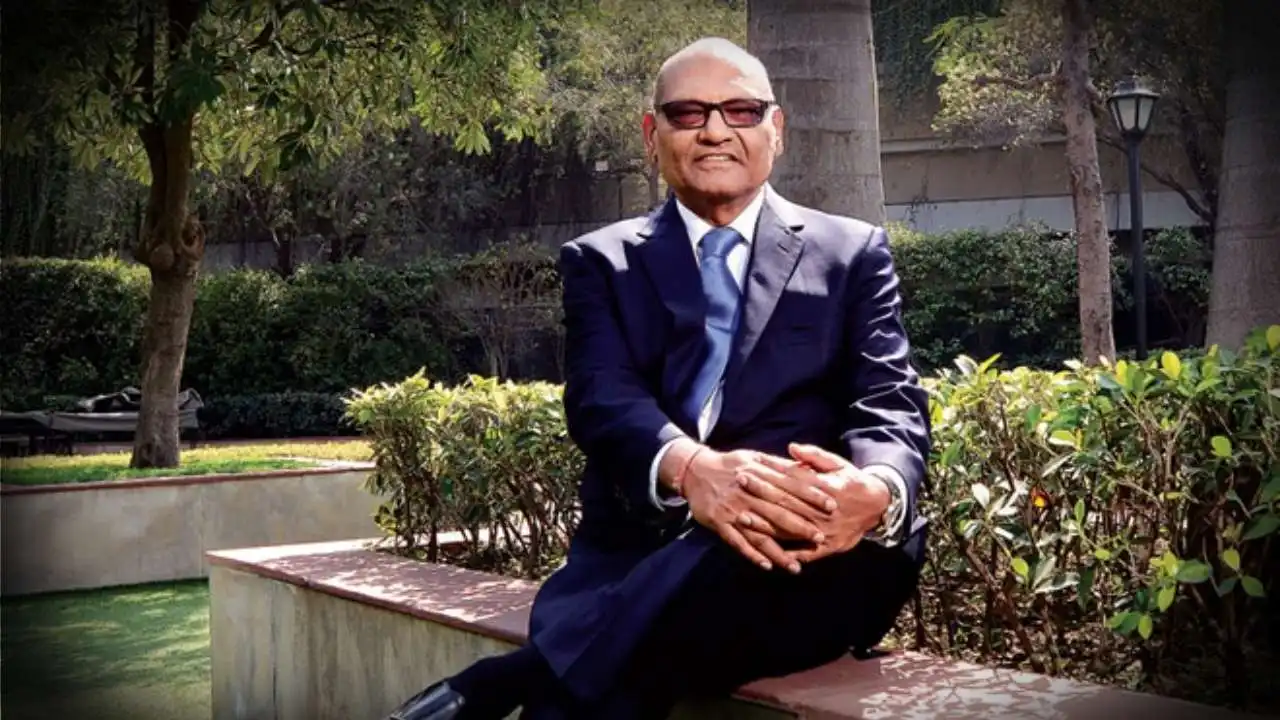
The life story of Anil Agarwal, founder and chairman of the Vedanta Group, reflects ambition, resilience and a deep belief in India’s industrial potential. Born in 1954 in Patna, Bihar, Agarwal grew up in a modest Marwari family with limited financial means but strong business instincts. His journey from a small trader to one of India’s most influential mining tycoons is often cited as a classic example of self-made entrepreneurial success.
At the age of 19, Agarwal moved to Mumbai with little capital and big aspirations. He began his career by trading scrap metal, selling discarded cables and aluminium to earn a livelihood. The early years were difficult and uncertain, but his sharp understanding of metals and markets slowly helped him build confidence and credibility. What set him apart was his ability to spot opportunity where others saw risk.
Building Vedanta: The Foundation of a Global Giant
The turning point in Agarwal’s career came in the mid-1970s when he acquired a small copper manufacturing unit, which later became the backbone of Sterlite Industries. This move marked the beginning of a larger vision that eventually evolved into Vedanta Group. Over the years, Agarwal expanded aggressively into zinc, aluminium, iron ore, power, oil and gas, transforming Vedanta into a diversified natural resources major.
Under his leadership, Vedanta grew beyond Indian borders and established a global footprint. The group’s international ambitions and access to overseas capital played a crucial role in scaling up operations. Agarwal became known for his bold decision-making, especially his approach to acquiring undervalued assets and turning them into profitable businesses.
Despite regulatory hurdles, environmental debates and market volatility, Agarwal continued to push forward. His belief in long-term value creation and India’s need for strong domestic resource companies remained central to Vedanta’s strategy.
Leadership Style Rooted in Resilience
Anil Agarwal’s leadership journey has not been without challenges. Legal battles, policy changes and economic downturns tested the group multiple times. Yet, his response was often marked by persistence rather than retreat. Industry observers often describe him as a leader who is deeply involved in operations, unafraid of risk, and strongly opinionated about India’s economic future.
He has consistently spoken about the importance of self-reliance, domestic manufacturing and responsible use of natural resources. This philosophy shaped Vedanta’s expansion across strategic sectors critical to India’s growth.
Commitment to Philanthropy and Social Impact
Beyond business, Agarwal has made philanthropy a key part of his legacy. Through the Anil Agarwal Foundation, he has focused on healthcare, nutrition, education, women and child development, and animal welfare. The foundation reflects his belief that wealth creation should go hand in hand with social responsibility.
In recent years, Agarwal also made headlines for pledging a significant portion of his family wealth to charitable causes. His long-term vision includes using business success to improve lives and support sustainable community development across India.
Personal Loss and National Condolences
Agarwal’s journey has also seen moments of deep personal grief. The untimely demise of his son, Agnivesh Agarwal, came as a major emotional blow to the family. Agnivesh was actively involved in the group’s leadership and served as chairman of Hindustan Zinc. The tragedy drew condolences from across the country, including from Narendra Modi, highlighting the respect Anil Agarwal commands at the national level.
A Legacy Still in the Making
From a young man trading scrap in Mumbai to leading one of India’s largest mining empires, Anil Agarwal’s story mirrors the rise of modern Indian entrepreneurship. His journey is not just about wealth creation, but about vision, resilience and giving back to society. As Vedanta continues to evolve, Agarwal’s legacy remains firmly embedded in India’s industrial and philanthropic landscape.